
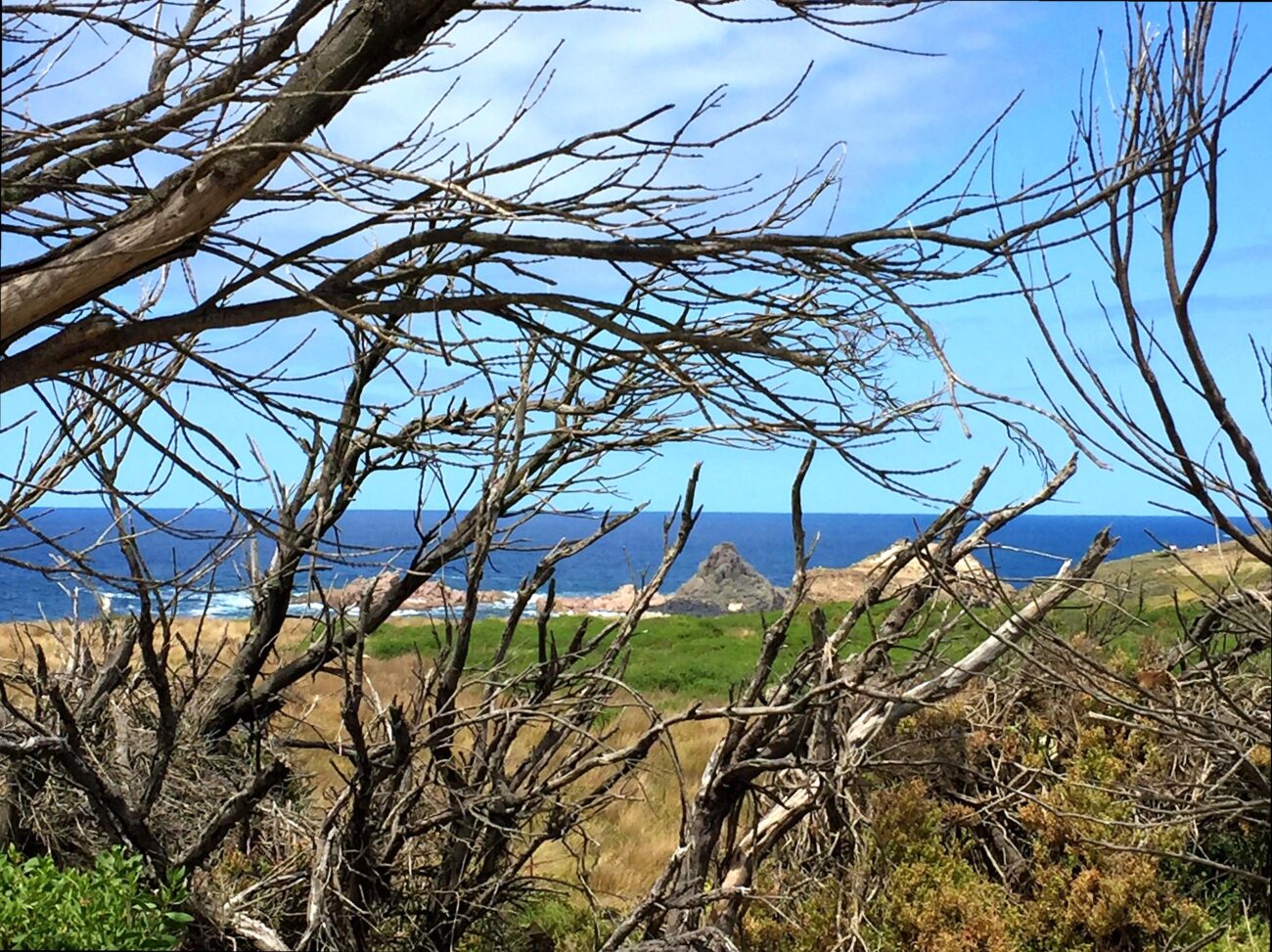
Photography is endowed with the ability to make people go back to the moment, and the reason why many people pursue photography is because it enhances their life experience. This brings us to what is perhaps one of the most remarkable locations for photographers in Australia – Phillip Island. Phillip Island, surely a possessing a jaw-dropping scene is situated on the south-eastern coast of Australia, where amateur as well as veteran photographers can practice their talent. Stunning sceneries and varieties of wildlife justify photographers’ influx to this marvelous Island. This article will discuss the various avenues offered by the workshops on Phillip Island and how this will make you a better photographer. This workshops allows you practical work, specialized support, and a chance to exchange experience with other figure enthusiasts.
Reasons why Phillip Island is Heaven for Photography Painted Picturesque Nature Sceneries
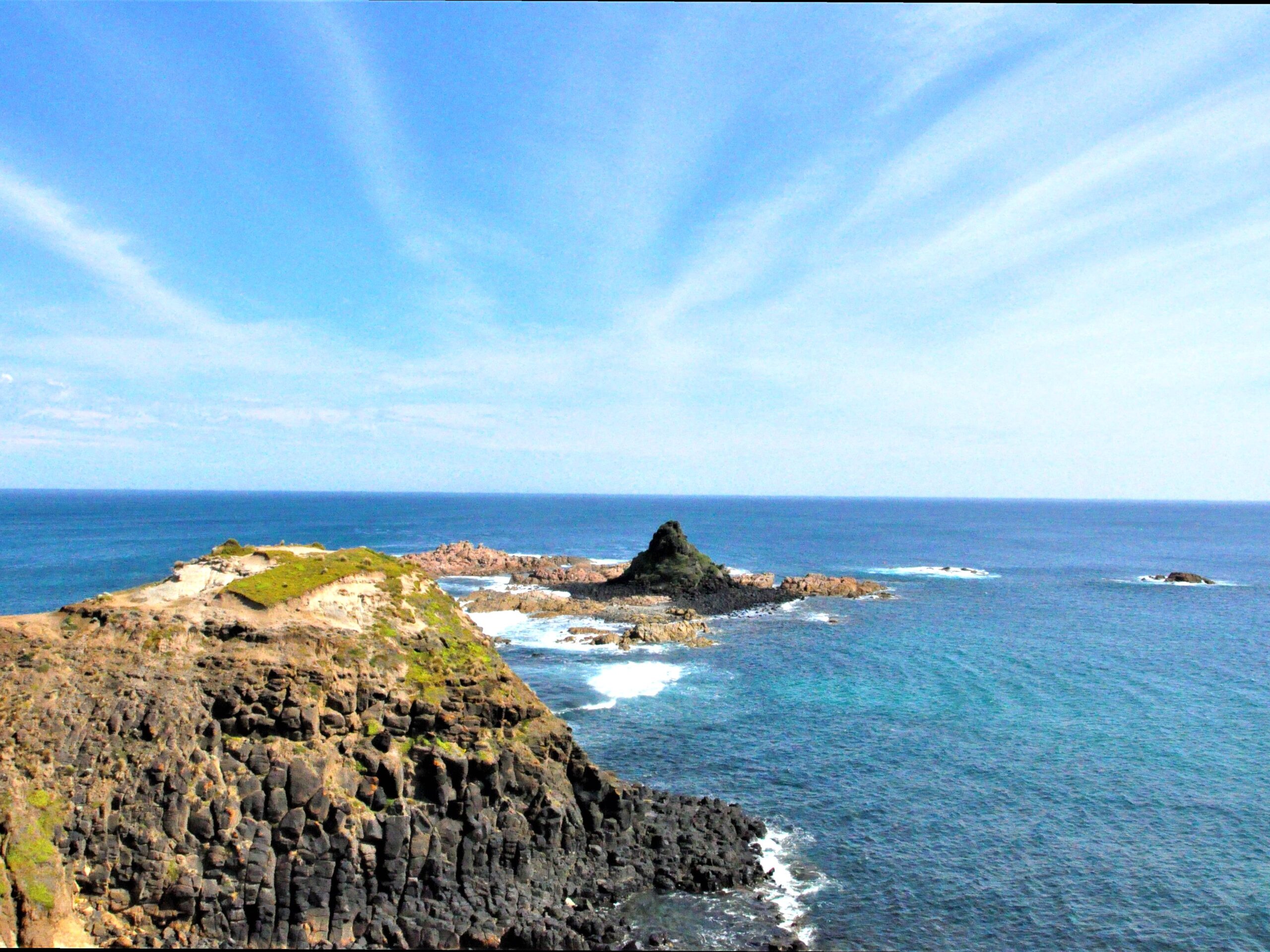
One can say that Phillip Island is blessed with beautiful scenery, and plenty of varieties to suit different styles of photography. The island caters for all, prickly coastal cliffs and clean beaches, marshy wetlands and rangelands. The well-known areas including Nobbies, Penguin Parade, and Cape Woolamai make the most astonishing photographs emerge from their ambiences. Such places get a lot more beautified by the golden hour light conditions making early mornings and late afternoons more ideal for shooting.
For the adventurous photographer wishing to shoot the entire stretch of the coast or the tiny details hiding within the vegetation of the island, there is no shortage of diversity on Phillip Island. As you move towards each corner, more of Phillips Island’s photographic beauty comes out.
Unique Wildlife Opportunities:
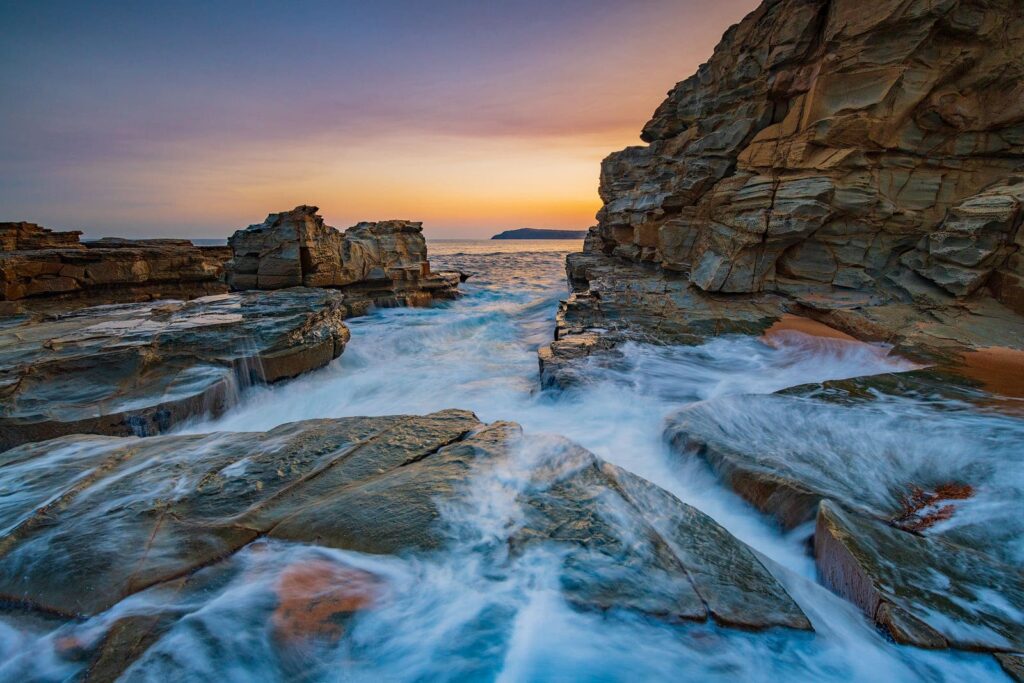
Another compelling reason to bring your cameras along during your trip to Phillip Island is the availability of unique wildlife, which is a blessing for wildlife lovers and photographers as well. At the island, there are, resident members of the Fairy Penguin species, native Australian fur seals, and many different kinds of birds which offer ample possibilities for wildlife photographers. Most active hours for these photography periods are during the sunset when people gather for the parade of the penguins at the beach or in the morning hours when the seals are seen lounging on the rocky outcrops. Otherwise, there are chances to shoot other seabird species including pronking pelicans. However, knowledge of the animals is essential since it allows one to determine the best way to photograph them within their natural habitat.
Attending Photography Workshops Should Be Encouraged
Instructed by Masters in The Field:
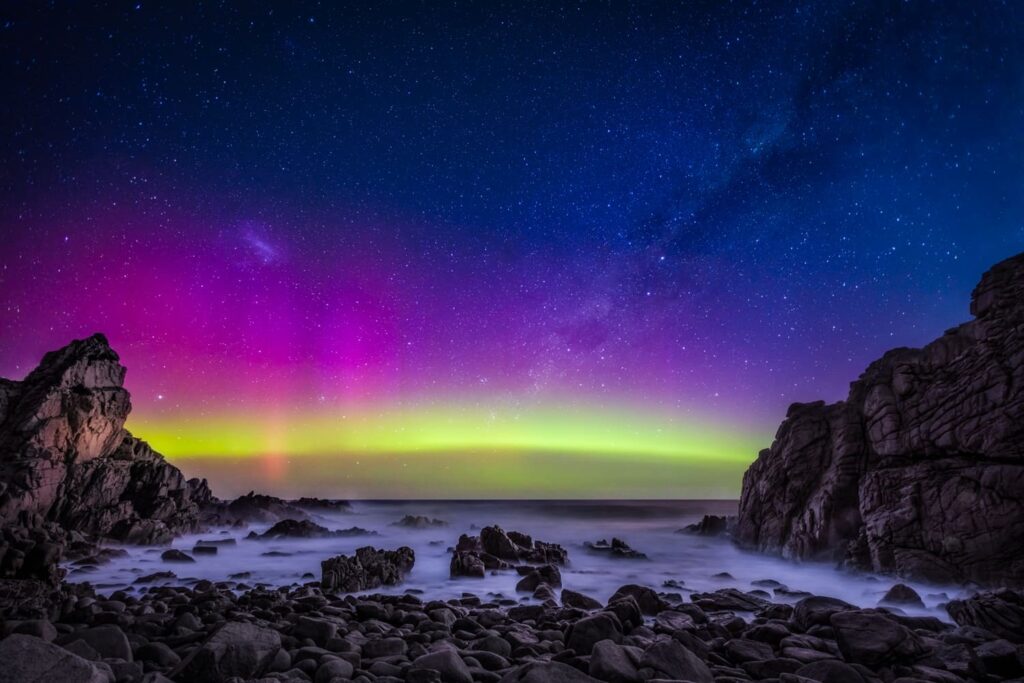
A major benefit associated with going for a photography workshop is that one gets to learn from people who have been in the photography for many years. The instructors of such institutions are usually highly qualified and have a lot of experience, so they will easily be role models for the students.
Such advice can make things such as camera modes, image arrangement methods, and types of lighting easy to grasp. By joining a workshop, it is also possible to get individual assistance and help you to pinpoint your specific problems. Moreover, one can appreciate that it is a relaxed environment and this promotes making friends with other participants who share similar passions. This kind of mentorship allows the participants to learn how to manipulate different elements of photography in higher levels.
Hands on Experience
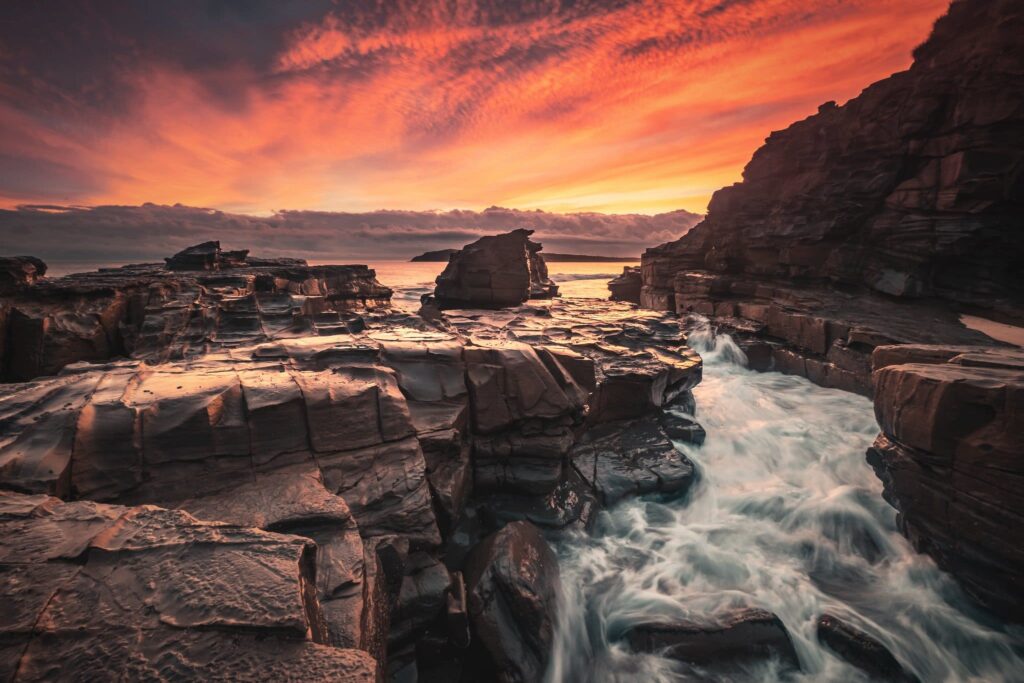
Most importantly, workshops place special emphasis on practical activities, requiring participants to actively participate with the equipment and environment one to the maximum. This enabling you to put into practical use all the theoretical knowledge acquired in the process, which develops one’s skills in a profession more deeply. Moreover, learning in groups is effective because it creates a platform for sharing knowledge, views and experiences which are of assistance to each other. Social interaction also encourages trying new techniques and styles instead of being confined to existing ones. In the process of critique and collaboration you develop confidence and grow your skills while developing your own voice in photographs. This kind of learning is difficult to attai in the classroom.
| Portfolio Composition, Image Editing Techniques | |||
| Every Day For One Week | Daily walks, self-campaign, evaluating other people’s work | Not More Than Area | Improved Techniques, Animals, Nature Photography |
Settings for a Common Photography Workshop on Phillip Island
| Length | Activities | Number of participants | Topics discussed |
| 1 Day | Sunrise capture, tuition, practical’s, evaluation | 10 | Camera 101, Composition 101 |
| Weekend 2 Days | Several shoots, post mortem, night shots | 8 |
What You Should Know Before Attending the Photography Workshop
Necessary Equipment And Supplies
To be able to fully take part and appreciate what the photography workshops entail, it is important to come along escorting with the right equipment and supplies. Instead, a DSLR or even a mirrorless camera can be very useful and indeed gives one flexibility with the quality of pictures taken. In addition to the camera, several types of lenses mostly wide-angle and telephoto should also be carried to be covered in most of the shooting conditions. It can be very helpful to have a good tripod, a number of memory cards and spare batteries when going out for long hours of shooting purposes. Furthermore, filters can be included in the collection since they may improve the quality of photographs especially in bright and stark environments. Check with your workshop provider for such a list catering for activities envisaged.
Suggestions and Recommendations For a Productive Experience
As you seek internship programs in workshops, it is vital to note that not all workshops are suitable for all persons however they benefit most beginners. Personal objectives such as trying out a new technique or finding a certain type of photography, can be set to help in terms of concentrating. In addition, enjoy talking to your instructors and don’t be shy about making inquiries-this interest makes for a more supportive learning process. Be ready to take criticism and accept comments, instead of finding them insulting; these can be helpful in showing you where you can improve your work. Last, on the second, take an active part in the experience, appreciate the learning process, and remember to have fun while taking great pictures during the entire workshop.
Conclusion
It is thus obvious that Phillip Island is an unfading dream for aspiring photographers who are willing to go out of their way to hone their expertise in intensive types of workshops. Thanks to the eye-catching scenery and diverse wildlife, it is also mixed up with a hands-on approach and supplemented with instructional style. A beginner aiming to learn the basics or an accomplished photographer aspiring to perfect the skills should consider taking a photography workshop, as it can be a major boost to their creative career. After you make up your mind on the phillip island photography workshops, during the workshop, you will not only be able to develop skills but also explore photography as an art. Breathe in the stunning beauty of Phillip Island as you enjoy this one-of-a-kind experience and turn photography into a lifelong habit.
FAQs
FAQ 1: What is the best time of year to attend a photography workshop on Phillip Island?
Answer: As the host, I would have to say that since the wildlife is at its peak and weather is decent for outdoor picture taking, the months between September and February would be the ideal time to hold such workshops.
FAQ 2: I have no experience in photography, should I still attend a workshop?
Answer: No, there are many workshops for each group of photographers as many workshops are from level one to level ten concepts. However, it is probable that some workshops will deal with limited areas of the photograph which will require at least basic knowledge.
FAQ 3: What do I need to carry with me for a photography workshop?
Answer: It is advisable to bring a DSLR or a mirrorless camera, a tripod, and a set of interchangeable lenses such as a wide-angle and a telephoto lens along with memory cards and extra batteries. For any particular needs inquire at the workshop’s providers.
FAQ 4: Are there any hotels for those coming to the photography workshops on Phillip Island?
Answer: Yes, Phillip Island has various types of accommodation including hotels, motels, and holiday homes. It is advisable to book in advance, especially in the peak season.
FAQ 5: I want to later submit my photographs during the workshop for reviews, is that permissible?
Answer: There is usually a critics day where attendees work is displayed and teachers and other attendees assess the photos and shots, to help individuals understand how best to improve their craft.
