
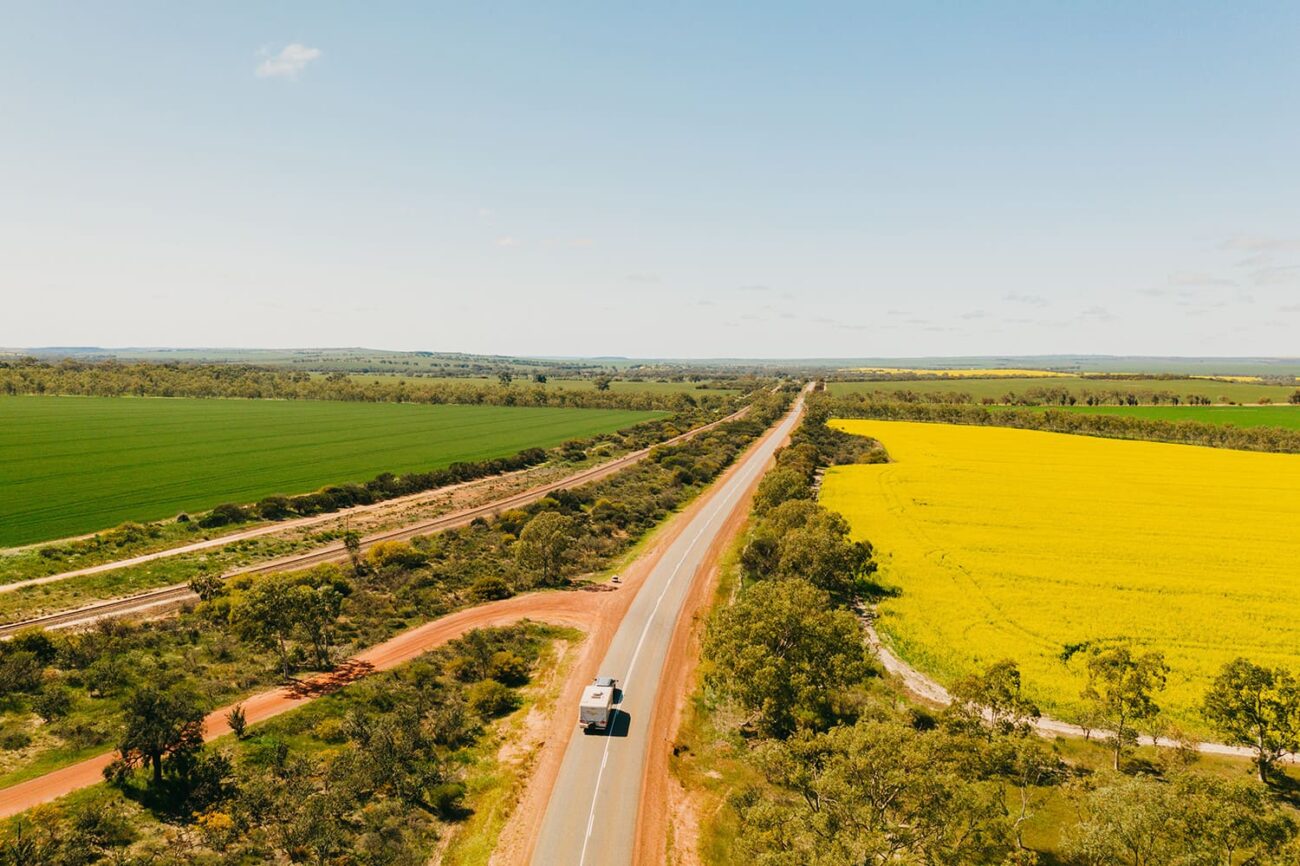
The Wheatbelt region of Western Australia is a treasure trove for travelers seeking diverse landscapes, rich agricultural heritage, and unique local experiences. This expansive area, characterized by rolling plains, charming towns, and wildflower season, offers visitors an unforgettable journey into the heart of Australia’s agricultural hub. From breathtaking natural sceneries to intriguing cultural experiences, the Wheatbelt showcases the essence of rural Australia. For those who crave adventure, relaxation, or simply a taste of rural life, exploring the Wheatbelt provides a remarkable break from the ordinary.
Key Attractions in the Wheatbelt
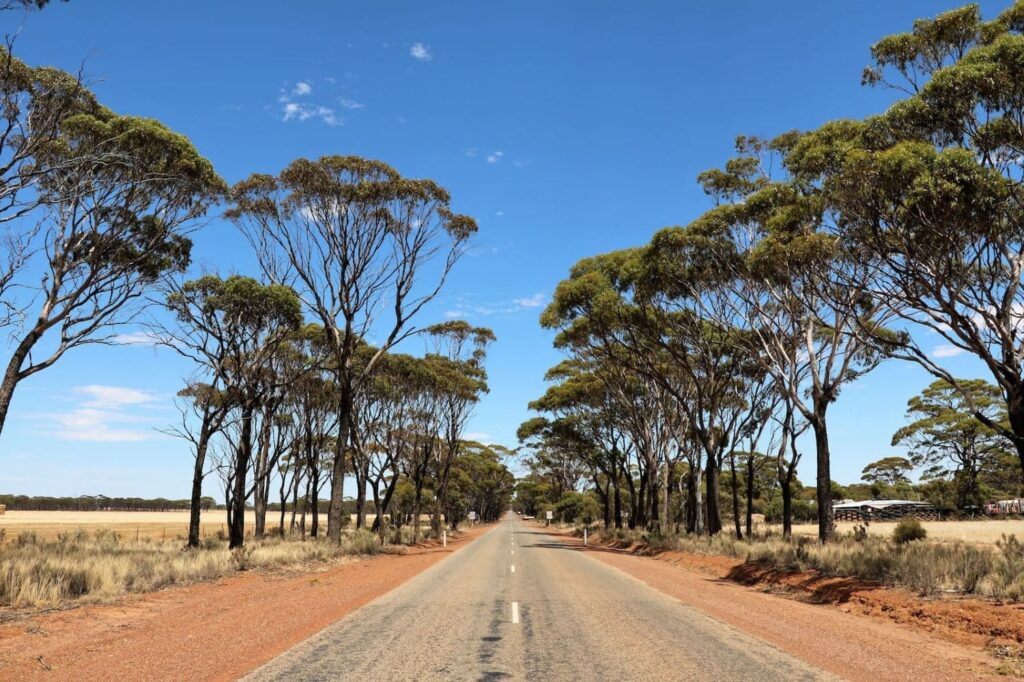
When traveling through the Wheatbelt, you’ll encounter a variety of attractions that showcase both the agricultural and natural beauty of the region. Key attractions include:
- Wave Rock: A natural rock formation shaped like a giant wave, this iconic landmark is a must-see for anyone visiting the area.
- York: One of the oldest inland towns in Western Australia, York offers a fascinating glimpse into the state’s pioneering history, complete with heritage buildings and local markets.
- Avon Valley: Known for its stunning landscapes and seasonal wildflowers, this valley is perfect for those looking to enjoy nature walks and photography.
- Lake Mulloca: A picturesque spot for picnicking and birdwatching, offering a tranquil escape surrounded by beautiful scenery.
- Merredin: The regional centre of the Wheatbelt, Merredin showcases local art galleries and is an ideal base for exploring nearby attractions.
Each of these attractions not only highlights the natural beauty of the Wheatbelt but also reflects the rich culture and community spirit of the local towns. Whether you are a history buff, a nature lover, or someone looking for unique photo opportunities, this region caters to a wide range of interests.
Experiencing Local Culture
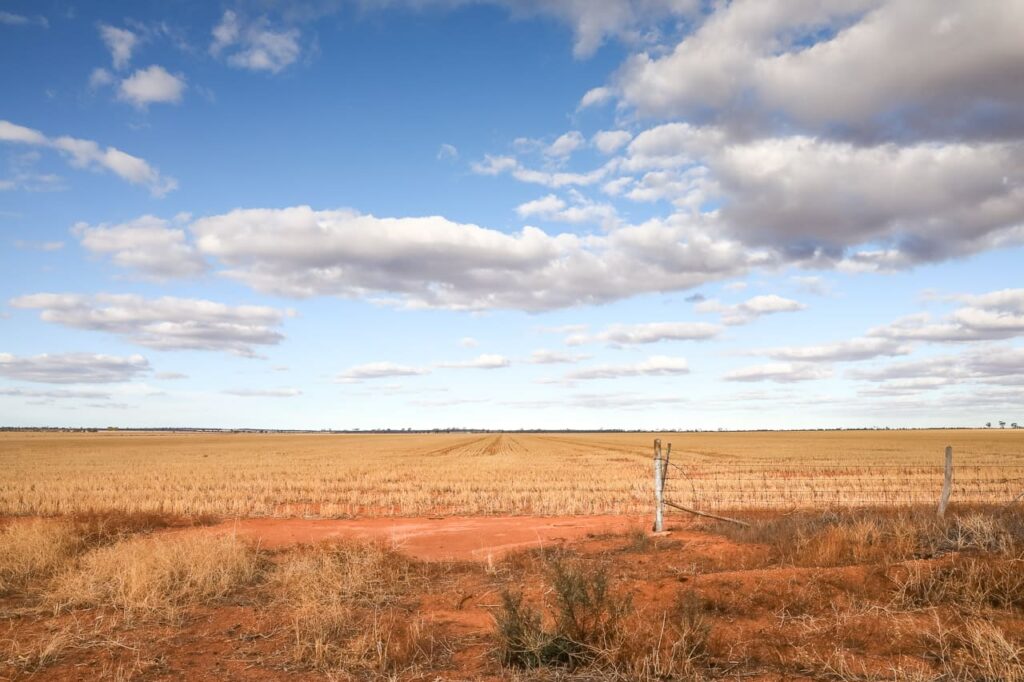
As you wander through the Wheatbelt, you will find vibrant communities that celebrate their agricultural roots and local traditions. The region hosts a plethora of events and festivals throughout the year, showcasing local crafts, produce, and culinary delights. The annual Wheatbelt Agricultural Show, for example, is a fantastic opportunity to immerse yourself in local life, featuring farm produce displays, livestock competitions, and live entertainment. Moreover, many towns have farmer’s markets where you can purchase fresh produce and homemade goods directly from local growers. Engaging with the community not only enriches your travel experience but also supports local economies.
Another way to experience the culture is by visiting the indigenous heritage sites, which offer insight into the connection between the Aboriginal people and the land. Guided tours are available in various locations, allowing travelers to gain a deeper understanding of the rich history and traditions that thrive in this region.
Outdoor Adventures in the Wheatbelt
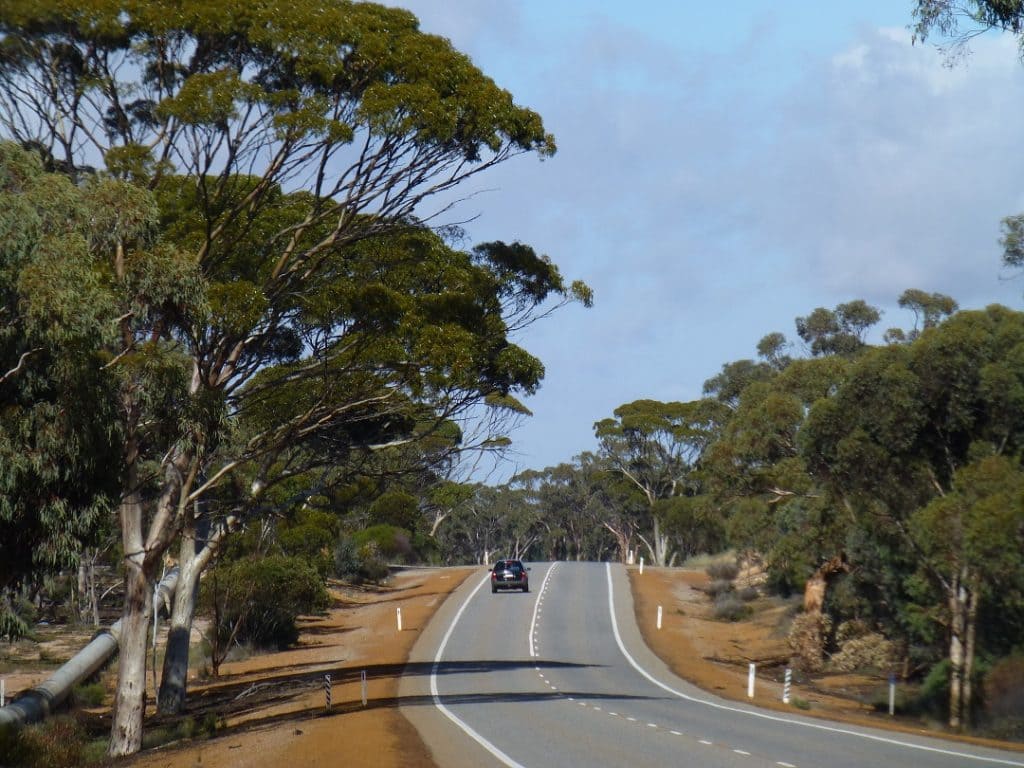
The Wheatbelt is blessed with stunning natural landscapes that beckon for exploration. For outdoor enthusiasts, there are numerous activities available, ranging from hiking and mountain biking to birdwatching and stargazing. National parks like Wadderin Wildlife Park and Yilgarn National Park boast breathtaking trails and unique Australian flora and fauna. These parks provide opportunities to witness kangaroos, emus, and various bird species in their natural habitats.
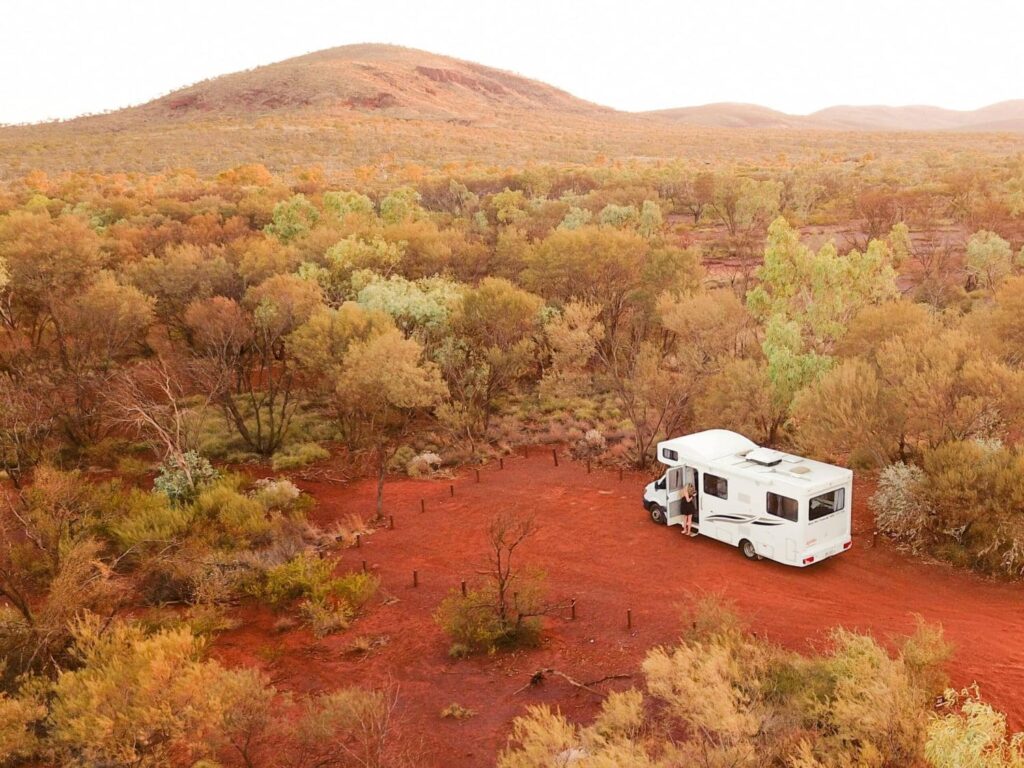
Camping is also a popular activity, with many designated campgrounds allowing visitors to enjoy the starry night skies and peaceful surroundings. Additionally, local rivers and lakes offer fishing and swimming options, making it easy to connect with nature. Whether you’re looking for adrenaline-pumping hikes or a leisurely day by the water, the Wheatbelt caters to all types of adventurers.
Culinary Delights and Local Produce
A trip through the Wheatbelt wouldn’t be complete without indulging in the local cuisine. The region is known for its high-quality produce, including grains, fruits, and wines. Numerous wineries dotted throughout the area offer tastings and gourmet food experiences that highlight local ingredients. Additionally, many towns have cafés and restaurants serving dishes made from farm-fresh produce, giving you a taste of the local flavors.
Be sure to try traditional Aussie pies, freshly baked bread, and a variety of seasonal fruits available at roadside stalls or farmers’ markets. These culinary experiences provide a deeper appreciation of the agricultural heritage that defines the Wheatbelt, transforming each meal into a celebration of local culture.
Conclusion
The Wheatbelt of Western Australia is a region rich in history, culture, and natural beauty. From iconic attractions like Wave Rock to the local flavors experienced through farm-fresh produce, this area offers diverse experiences for every traveler. Discover the warmth of rural communities, explore stunning landscapes, and indulge in local delicacies while creating lasting memories on your journey. No matter your interests, the Wheatbelt promises a unique adventure that showcases the diverse tapestry of Western Australia.
FAQs
The best time to visit is during the wildflower season, from late winter to spring (August to October), when the area bursts into color. Autumn and spring are also favorable for milder temperatures.
2. How do I get to the Wheatbelt?
The Wheatbelt is accessible by car from major cities like Perth, making it a perfect road trip destination. Public transport options are also available, but may be limited.
3. Are there camping facilities in the Wheatbelt?
Yes, many national parks and campgrounds are available for visitors. Facilities vary but often include picnic areas, restrooms, and BBQ spots.
4. What can I do in the Wheatbelt besides sightseeing?
In addition to sightseeing, you can enjoy outdoor activities like hiking, fishing, birdwatching, or participating in local festivals and markets.
5. Is it family-friendly?
Absolutely! The Wheatbelt offers activities and attractions suitable for families, including parks, historical sites, and outdoor adventures that everyone will enjoy.
