
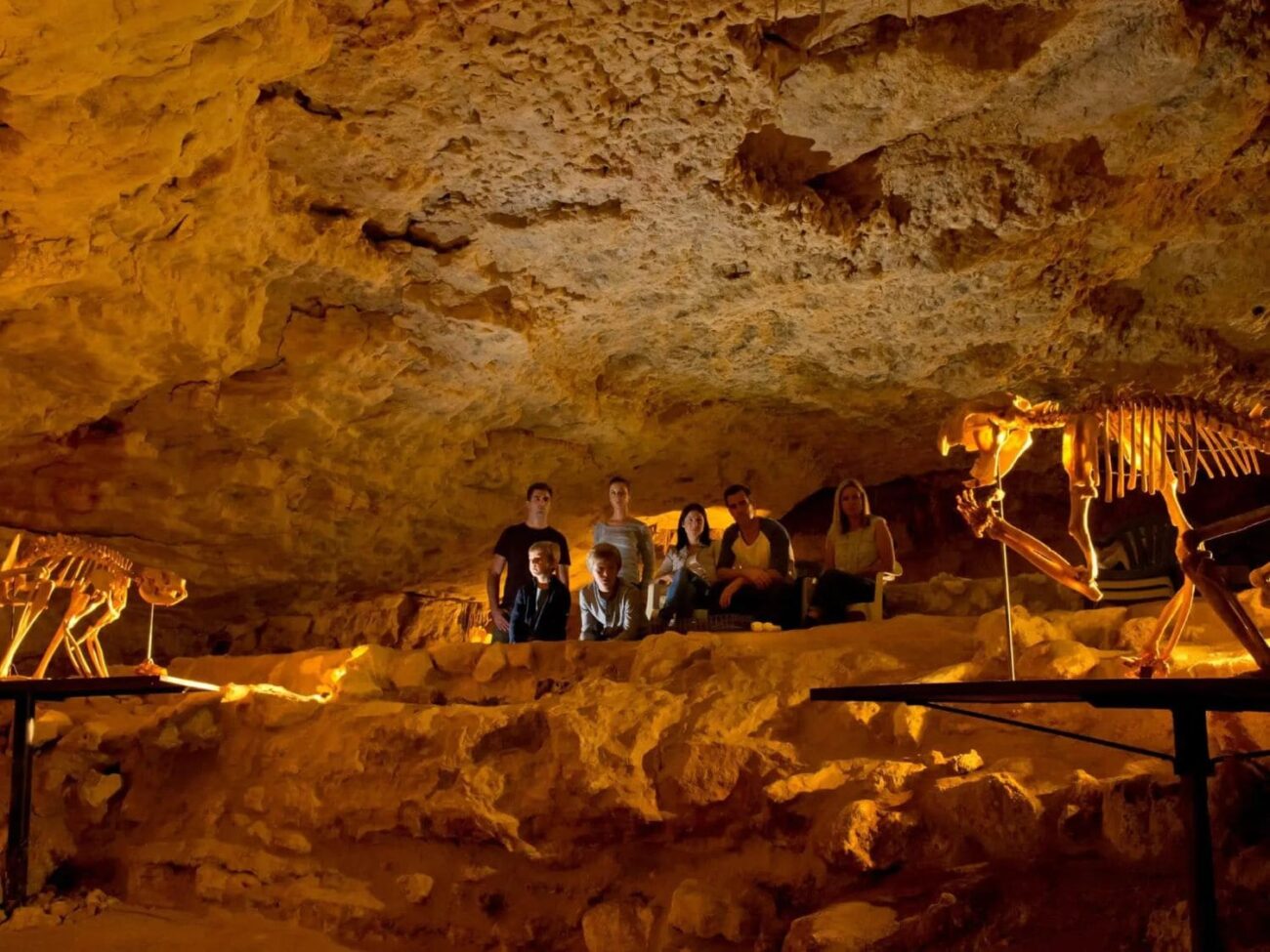
The Limestone Caves of Naracoorte, located in South Australia, are a remarkable natural wonder, renowned for their extensive network of caves teeming with fascinating geological features and rich fossil history. This article delves into the spectacular beauty and significance of these caves, providing insights into what makes them a must-visit destination for adventurers, geologists, and nature enthusiasts alike. From their mysterious formations to their unique ecosystems, the Naracoorte Caves offer an extraordinary glimpse into the earth’s past. Join us as we explore everything from the origin of these caves to practical tips for your visit.
The Origin and Formation of Naracoorte Caves
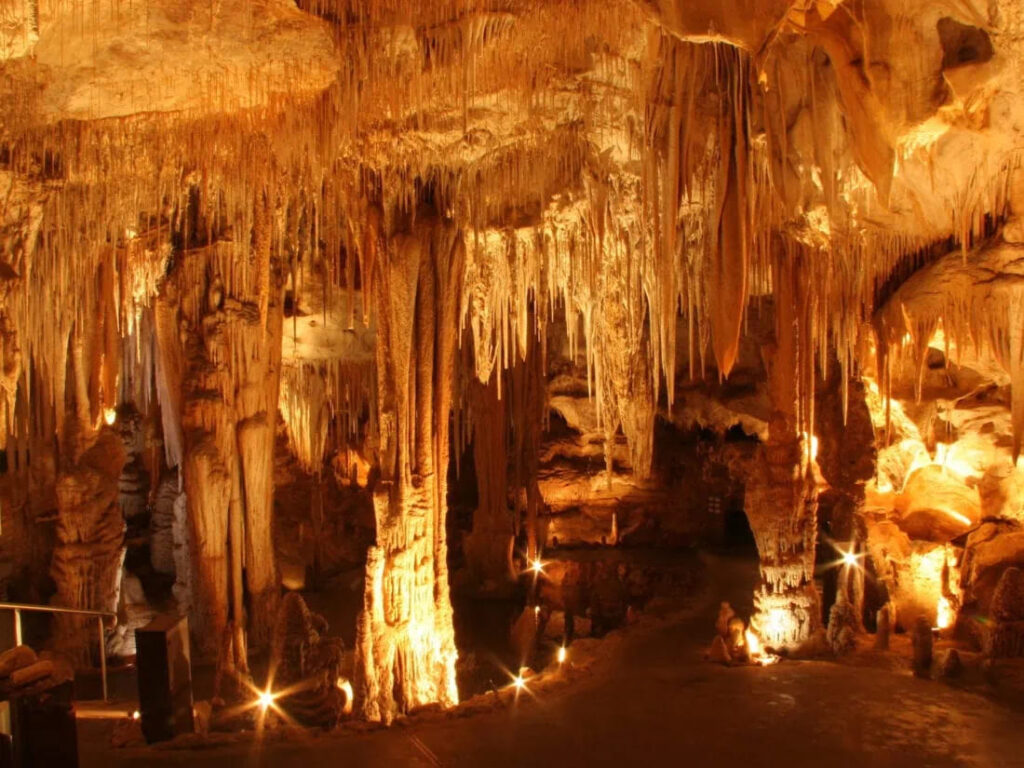
The Naracoorte Caves were formed over millions of years through a process known as chemical weathering, primarily involving limestone dissolving in mildly acidic rainwater. This natural phenomenon resulted in an intricate landscape of tunnels, chambers, and sinkholes. The caves stretch over a significant area, with some chambers large enough to host events and tours. The formation of these caves can be traced back to the age of the Ocean, when marine organisms deposited calcium carbonate, paving the way for limestone deposits. Over time, tectonic activity further influenced the landscape, leading to the caves we see today, rich in both beauty and scientific value. The ongoing erosion continues to shape the caves, making them a living geologic history that provides insights into both past climates and ecosystems.
Ecological Importance of the Caves
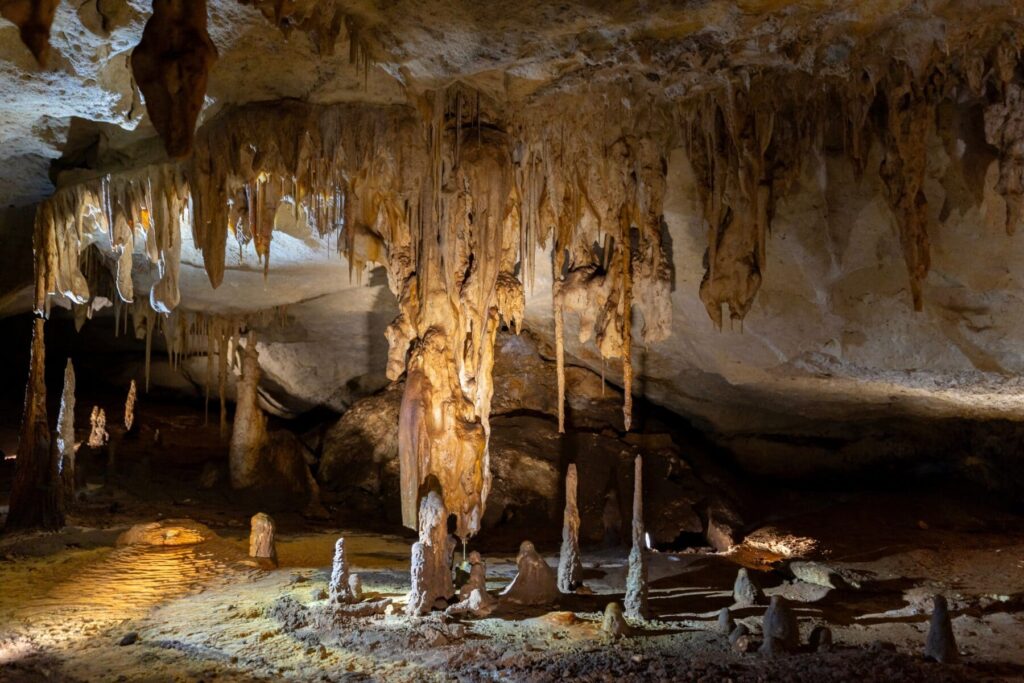
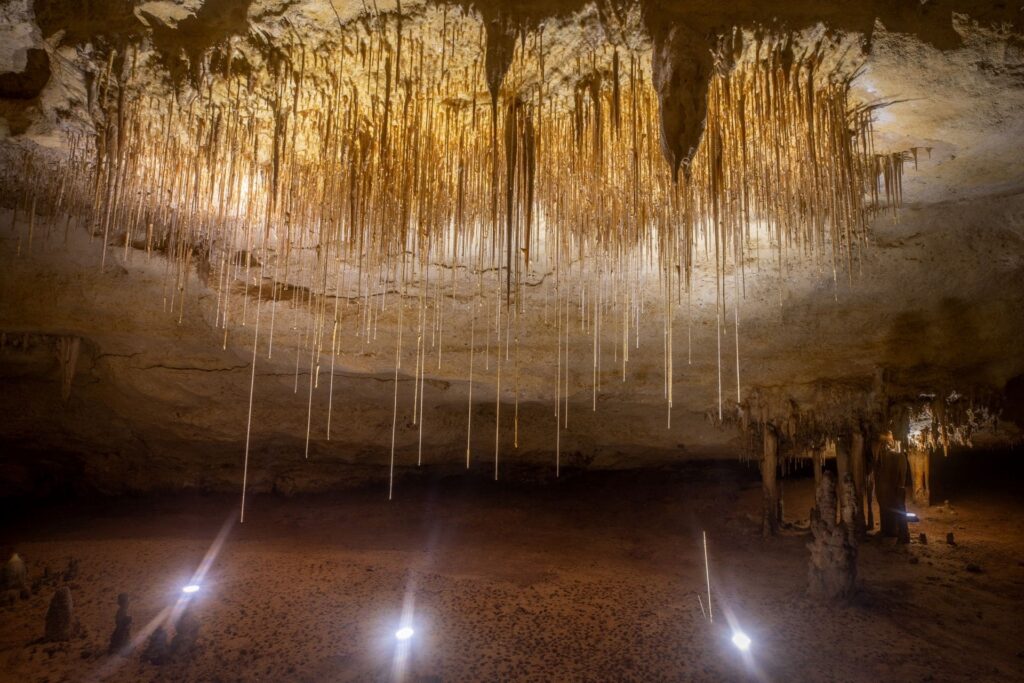
The ecosystems within the Naracoorte Caves are incredibly diverse, hosting a variety of flora and fauna adapted to the unique cave environment. These include various bats, which serve as both indicators of environmental health and agents of pest control. The caves are also home to endemic species, some of which are found nowhere else on Earth, showcasing the ecological uniqueness of the region. The combination of constant humidity and darkness provides a perfect habitat for fungi and microorganisms, contributing to the caves’ ecological network. Furthermore, the presence of stalagmites and stalactites fosters an environment where mineral deposition and erosion coexist, creating breathtaking geological formations. Conservation efforts are crucial to maintaining the delicate balance of this ecosystem and studying the cave’s role in climate history.
Activities and Tours Available
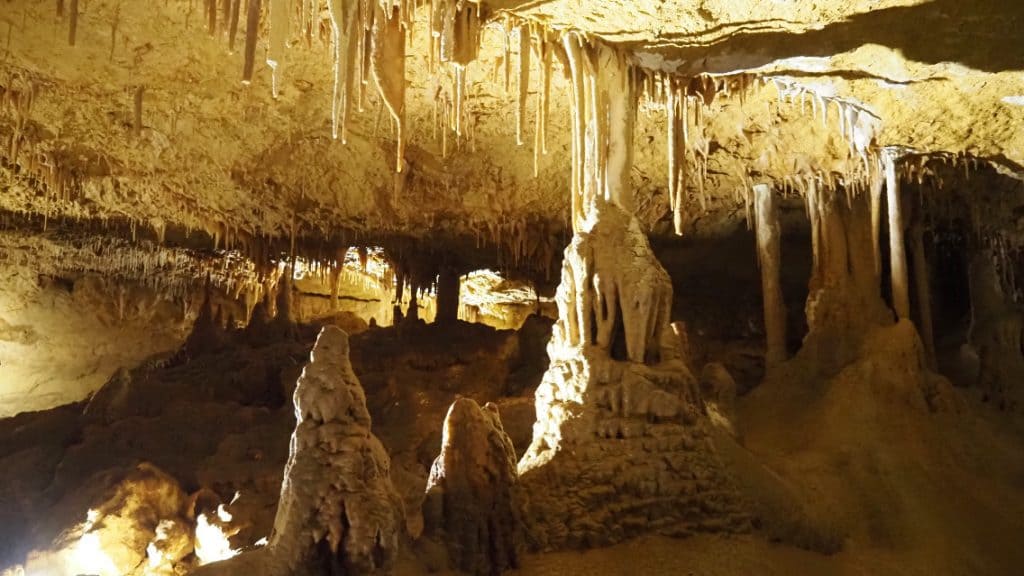
Visiting the Naracoorte Caves offers numerous activities, including guided tours, adventure caving, and educational programs. Guided tours typically allow visitors to explore key areas like the famous “Victoria Fossil Cave,” where fossil remains of megafauna from the Pleistocene epoch were discovered. For those seeking more excitement, adventure caving provides a chance to venture into less accessible sections of the caves, equipped with helmets and headlamps for a truly immersive experience. Educational programs emphasize the geological and ecological significance of the caves, making them popular among school groups and families. For visitors who prefer a more leisurely experience, walking trails around the cave entrances offer stunning views and wildlife observation opportunities. In peak tourist seasons, be sure to book your tours in advance as they can fill quickly.
Visitor Information and Tips
To make the most of your visit to the Naracoorte Caves, consider planning ahead. The caves are located approximately 340 kilometers from Adelaide, making it a convenient day trip for those staying in the capital city. It’s advisable to check the official website for current opening hours, ticket prices, and specific tour schedules. Here’s a list of tips for your visit:
- Wear comfortable clothing: The caves can be cool and damp, so bring a jacket and wear sturdy footwear.
- Stay together: Follow the guide and remain with your group during tours for safety.
- Respect the environment: Follow all guidelines to preserve the fragile ecosystems.
- Photography: Capture memories but remember that flash photography could disturb wildlife.
- Hydrate: Bring water, especially if you plan on hiking or exploring extensively.
Conclusion
In summary, the Limestone Caves of Naracoorte not only highlight the natural beauty of South Australia but also serve as an invaluable resource for understanding Earth’s geological and ecological history. With adventure opportunities for various interests and a rich scientific backdrop, these caves beckon travelers and researchers alike to explore their depths. Responsible tourism will help preserve this extraordinary wonder for future generations. Whether you’re a casual visitor or an avid spelunker, Naracoorte offers an unparalleled experience that is both captivating and educational.
FAQs
The ideal time to visit is during the spring (September to November) or autumn (March to May) when the weather is mild and ideal for outdoor activities.
2. Are the caves suitable for children?
Yes, the caves welcome families, but age restrictions may apply to certain adventure tours for safety reasons. Always check tour guidelines beforehand.
3. Can I take pictures inside the caves?
Photography is allowed in designated areas, but be mindful of your surroundings and refrain from using flash to avoid disturbing wildlife.
4. How do I get to the Naracoorte Caves from Adelaide?
The simplest way is to drive, taking the A3 highway, which typically takes around 4 hours. Alternatively, bus services are available that connect travelers from Adelaide.
5. Are guided tours the only way to explore the caves?
While guided tours are highly recommended for informed exploration, some areas may have self-guided options; however, these are limited and often restricted to specific paths.
